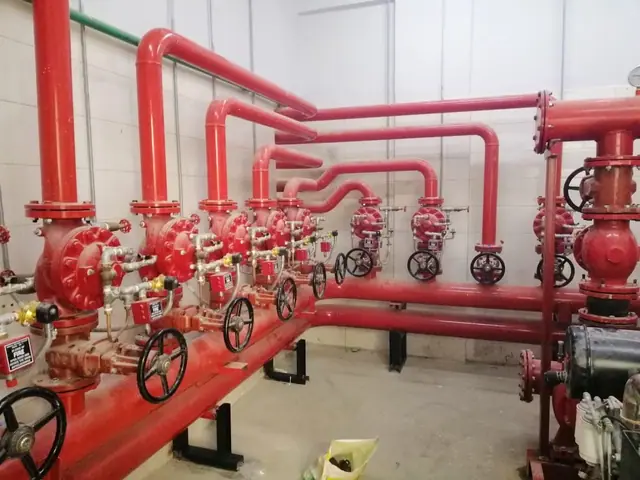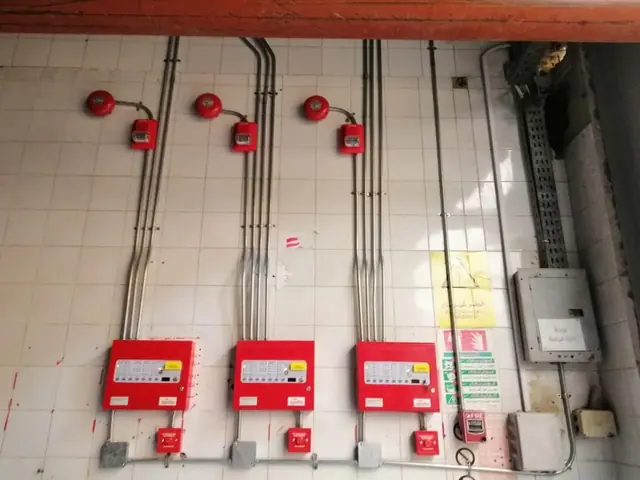
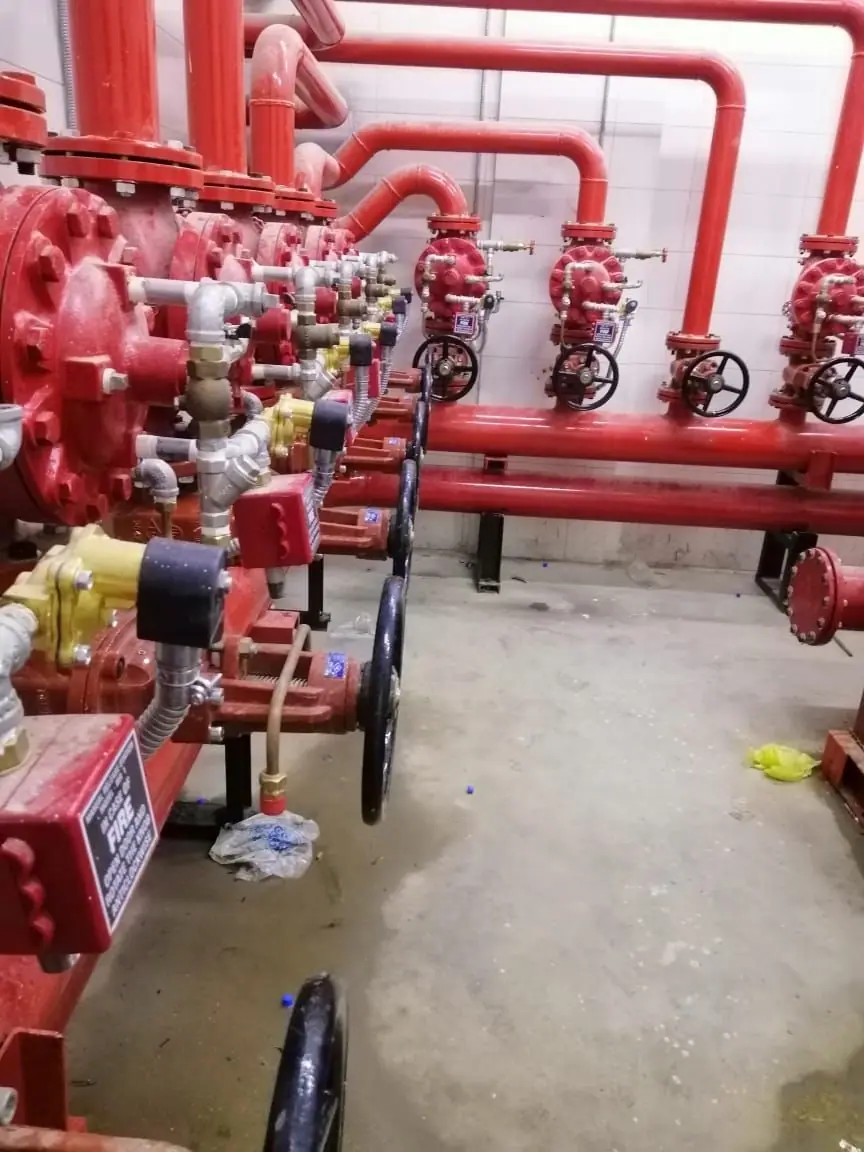
Preventive maintenance for fire systems means carrying out scheduled inspections, tests and servicing so that each system works when a fire happens. For water-based systems, NFPA 25 is the main reference, and intervals range from weekly checks on pumps and valves to five-year tests on some components. Fire alarms, extinguishers and gas systems follow their own standards.
The checklist below gives facility managers a practical starting point. The intervals are typical baselines. The exact requirements depend on the system, the edition of the standard, the approved design and the local authority, so confirm them for your site.
Which standard covers which system
| System | Main reference |
|---|---|
| Sprinklers, standpipes, hydrants, fire pumps, water tanks | NFPA 25 |
| Fire detection and alarm systems | NFPA 72 |
| Portable fire extinguishers | NFPA 10 |
| Clean agent gas systems | NFPA 2001 |
| Carbon dioxide systems | NFPA 12 |
NFPA 25 checklist for water-based systems
| Component | Typical interval | What to do |
|---|---|---|
| Pump room | Weekly | Check temperature, ventilation, housekeeping and valve positions |
| Diesel fire pump | Weekly | Run without flow, and check fuel, batteries and alarms |
| Electric fire pump | Weekly or monthly, depending on the installation | Run without flow, and check the controller and any alarms |
| Fire pump flow test | Annually | Measure performance and compare with the acceptance data |
| Control valves | Weekly to monthly, depending on how they are secured | Confirm each valve is open, accessible and sealed or supervised |
| Waterflow alarm devices | Quarterly or semi-annually, depending on the type | Test that flow produces an alarm |
| Main drain test | Annually at minimum | Compare the results with earlier tests to find supply problems |
| Sprinklers | Annually | Inspect from floor level for damage, corrosion, paint or blockage |
| Spare sprinklers | Annually | Confirm the correct types, quantity and wrench are on site |
| Hose connections and standpipes | Annually | Check for damage, leaks, access and missing parts |
| Standpipe flow test | Every five years | Confirm the required flow and pressure |
| Fire hydrants | Annually | Inspect and flow test |
| Water storage tank | Regularly, with periodic interior inspection | Check the level and condition, and clean as required |
| Pressure gauges | Inspect regularly, and test or replace every five years | Confirm the readings are accurate |
| Internal piping | Every five years | Assess the pipework for obstructions and corrosion |
Fire pump checks in detail
The fire pump is usually the most critical item in the system. Our fire pump guide explains how the set operates. During a routine run, note the following:
- Suction and discharge pressures.
- Pump start pressure, and the time it takes to start.
- Unusual noise, vibration or overheating in packing, bearings and pump casing.
- For diesel engines: fuel level, oil, coolant, battery condition and charger operation.
- For electric pumps: controller status, power supply and any alarm indications.
- How often the jockey pump starts, because frequent starts often point to a leak.
Fire alarm system maintenance (NFPA 72)
Alarm systems need both visual inspections and functional testing, at the intervals set by NFPA 72 and the approved design. The core tasks are:
- Check the panel daily or at each shift for fault and disablement indications.
- Inspect batteries and test backup power regularly.
- Test detectors, call points and sounders on a rotating schedule, so that every device is covered at least once a year.
- Clean or replace contaminated detectors, especially in dusty environments.
- Test the outputs the panel controls, such as dampers, door releases and suppression signals.
- Keep any devices disabled during testing to a minimum, and restore them immediately.
Fire extinguisher maintenance (NFPA 10)
Each extinguisher should be visually inspected monthly and maintained annually, with internal examination and pressure testing at intervals set by its type. During the monthly check, confirm that the unit is in place and accessible, that the gauge is in the correct range, that the seal is intact and that there is no visible damage. Our guide to fire extinguisher types explains which unit belongs where.
Gas suppression system maintenance
Clean agent containers are commonly checked for pressure and quantity twice a year, under NFPA 2001. It is also important to confirm that the protected room is still sealed. New cable penetrations or a changed door can stop the system from holding its concentration. Our article on gas suppression systems explains how these systems work.
Good practices that make maintenance work
- Keep records. Log each inspection, test result, defect and repair. Records show trends and help during an inspection by the authority.
- Compare results over time. A slow fall in main drain pressure or pump performance is an early warning.
- Manage impairments. When a system is taken out of service, notify the responsible parties, tag it and put temporary measures in place, such as a fire watch.
- Fix defects quickly. Rank them by their effect on protection, and close critical ones first.
- Review changes. New storage layouts, walls or processes can make a design inadequate, even if all the equipment still works.
- Use qualified people. Testing on a live system can trigger alarms, releases or water damage if it is not planned properly.
How to build a simple maintenance schedule
The checklist is easier to run when it is split into levels, each with a named owner:
- Daily or each shift: check the alarm panel and pump controllers for fault indications.
- Weekly and monthly: run the pumps and check valves and extinguishers. Trained facility staff can do much of this under the maintenance manager.
- Quarterly or semi-annually: test waterflow alarms, and check gas cylinders and batteries.
- Annually: carry out the pump flow test, sprinkler inspection and full alarm test with a specialist company.
- Every five years: complete the longer-term tests, such as internal pipe assessment and standpipe flow tests.
Signs that need immediate attention
Do not wait for the next scheduled visit if you notice any of the following:
- An alarm panel with a standing fault or devices disabled for no known reason.
- A jockey pump that runs constantly or starts very often.
- A pump that fails to start automatically during a test.
- A control valve found closed, or a broken seal with no explanation.
- Visible leaks or corrosion on pipework, or a low tank level.
- An extinguisher that has been discharged or is missing.
Maintenance support from ECCO
ECCO maintains fire fighting and fire alarm systems as part of its services, so one team can cover inspection, testing and repair across your systems.
Arrange a maintenance review
If your systems have not been tested recently, or you are unsure about their condition, contact ECCO. Our engineers can review your site and propose a suitable maintenance plan.
Frequently asked questions
How often should fire protection systems be inspected?
It depends on the component. Under NFPA 25, some items are checked weekly or monthly, while others are tested quarterly, annually or every five years. Your approved design, the edition of the standard in use and the local authority can change these intervals.
Does NFPA 25 cover fire alarms and extinguishers?
No. NFPA 25 covers water-based systems such as sprinklers, standpipes, hydrants, fire pumps and water tanks. Fire alarm systems fall under NFPA 72, extinguishers under NFPA 10, and gas suppression under NFPA 2001 or NFPA 12.
Who is responsible for fire system maintenance?
The building owner or a designated representative is responsible for making sure inspections and tests take place. The work can be contracted to a qualified company, but the facility should still keep records and act on the findings.
What should be done when a fire system is taken out of service?
Treat it as an impairment. Notify the responsible parties, tag the affected equipment, limit the time it is out of service, and put temporary safety measures in place, such as a fire watch, until the system is restored.