The right fire extinguisher depends on what is burning. Water suits ordinary solid materials, foam suits flammable liquids, CO2 suits electrical equipment, wet chemical suits cooking oil, and ABC dry powder covers the widest range of common fires. Using the wrong one can make a fire worse or put the user at risk, so the first step is to know the fire classes.
This guide covers the fire classes, the main extinguisher types, and how to match them to the areas of your facility.
Fire classes explained
Extinguishers are labeled according to the classes of fire they can fight. Two lettering systems are common, and both can appear on products sold in Egypt, so it helps to read the label carefully. The American system is the one used in NFPA 10. The European system differs in two ways: Class C means gases, and cooking oil is Class F rather than K.
| What is burning | American class | European class |
|---|---|---|
| Ordinary solids such as wood, paper, cloth | A | A |
| Flammable liquids such as petrol, solvents, paint | B | B |
| Flammable gases such as LPG, natural gas | B | C |
| Live electrical equipment | C | No letter; shown by a symbol or wording |
| Combustible metals such as magnesium | D | D |
| Cooking oils and fats | K | F |
If a label says Class C, check which system it uses. Under one system it means electrical fires, and under the other it means gas fires.
Main types of fire extinguishers
Water extinguishers
Water cools burning solid materials, which makes it effective on Class A fires. It should not be used on flammable liquids, cooking oil or live electrical equipment, unless the label on a specific unit says it is suitable.
Foam extinguishers
Foam forms a blanket over a burning liquid, which cuts off its vapor and helps prevent re-ignition. It works on solids and flammable liquids, and it is a good match for workshops and fuel stores. Standard foam should not be used on live electrical equipment or cooking oil.
Dry powder extinguishers
Dry powder interrupts the fire and works quickly. An ABC powder extinguisher covers solids, flammable liquids and electrical equipment, and in the European system it is also used on gas fires. Keep these limits in mind:
- The powder cuts visibility, and it can irritate the airways in an enclosed space.
- The residue is messy and can damage electronics and machinery.
- On a gas fire, the safest action is to shut off the supply. Extinguishing the flame while gas is still flowing can leave an explosive atmosphere.
Standard powders are not intended for metal fires. Those need a special Class D powder.
CO2 extinguishers
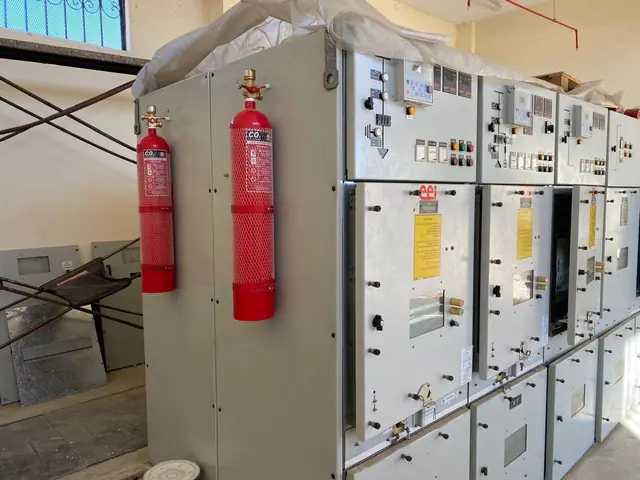
Carbon dioxide displaces oxygen around the fire and leaves no residue, which makes it a common choice for electrical rooms, server rooms and offices. It works on flammable liquids and electrical equipment, but it is less suitable for solid materials that can reignite after the gas disperses. Two safety points matter here. CO2 can reduce oxygen in a small unventilated room, and the discharge horn gets very cold, so users should hold it only by the handle or the insulated grip.
Wet chemical extinguishers
Wet chemical agents are designed for cooking oils and fats. They cool the oil and form a layer over its surface, which is why they are the standard choice in commercial kitchens.
Clean agent extinguishers
Clean agent extinguishers discharge a gas that leaves no residue. They are used near sensitive equipment, and the classes they cover vary by product and capacity, so always check the rating on the label.
Which extinguisher suits which fire
| Extinguisher type | Solids | Flammable liquids | Live electrical | Cooking oil |
|---|---|---|---|---|
| Water | Yes | No | No | No |
| Foam | Yes | Yes | No | No |
| ABC dry powder | Yes | Yes | Yes | No |
| CO2 | Limited | Yes | Yes | No |
| Wet chemical | Yes, on most units | Check label | No | Yes |
| Clean agent | Check label | Check label | Yes | No |
This table is a general guide. The rating printed on the extinguisher always takes priority.
Choosing extinguishers for each area
- Offices and corridors: ABC powder or water, with CO2 near electrical panels and IT equipment.
- Factories and workshops: match the unit to the process. Solvents and fuels favor foam or powder, while machinery rooms may need CO2 to avoid powder residue. See our guide to factory fire protection.
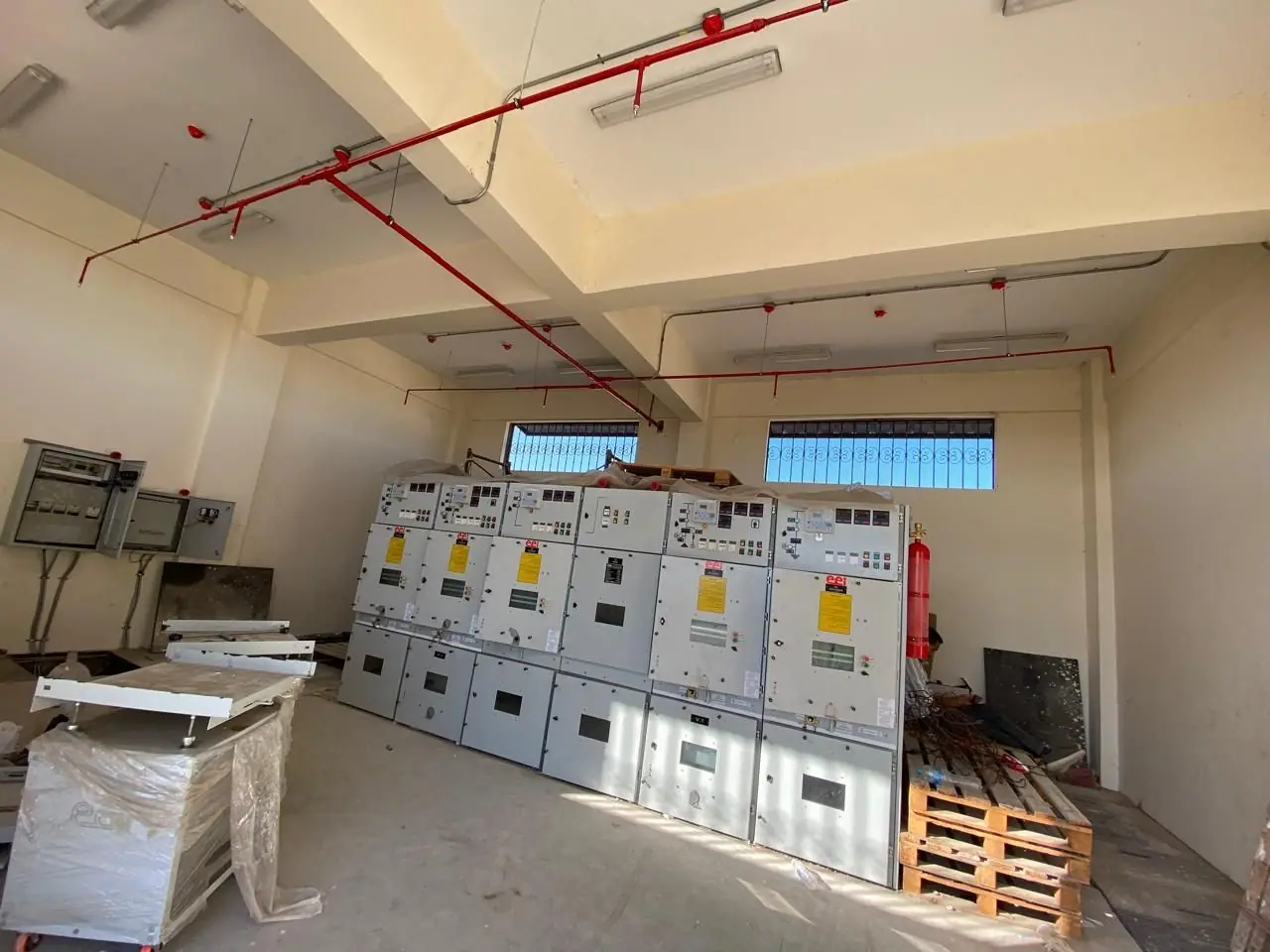
- Electrical rooms: CO2 or a suitable clean agent. Our article on electrical room fire protection goes further.
- Commercial kitchens: wet chemical.
- Warehouses: the choice depends on the goods stored, and larger units may be needed.
NFPA 10 covers selection, spacing and mounting, and the number of extinguishers depends on the hazard, floor area and travel distance. Exact requirements depend on the approved design and on Civil Defense, so avoid choosing by habit or by a fixed rule of thumb.
An extinguisher only helps if people know how to use it. Train staff in how to approach a fire, and in when to leave. Our guide on how to use a fire extinguisher explains the basics.
How to read a fire extinguisher label
The label tells you what you need to know before buying or using a unit. Check these items:
- Agent and capacity. Confirm that they suit the hazard in the intended location.
- Classes and rating. Letters and symbols show the suitable fire types, and numbers may accompany them to indicate extinguishing capability.
- Operating instructions. The steps should be clear and legible for the people who will use it.
- Manufacturer and service details. These help you track the production date and the inspection dates.
- Pressure gauge. On models that have one, the needle should sit in the correct range.
Common mistakes when choosing extinguishers
- Using one type throughout a facility, although the risks differ between areas.
- Placing a powder unit inside a room of sensitive equipment without considering the residue.
- Mounting extinguishers behind goods or doors, where they are hard to reach in a fire.
- Returning a partly used unit to its bracket. It needs servicing after any discharge, however short.
- Assuming that buying extinguishers is enough, without training staff or keeping up inspections.
Never try to tackle a large or fast-spreading fire with a portable extinguisher. The safety of people, evacuation and calling for help always come first.
Supplying the right extinguishers
ECCO is an agent for Albtran, an Egyptian fire extinguisher manufacturer established in 2005, with its factory in 10th of Ramadan City. Visit our products page to learn more.
Need help selecting extinguishers?
Contact ECCO and tell us about your facility. Our engineers can review the fire risks in each area and help you choose suitable extinguishers.
Frequently asked questions
Which fire extinguisher is the most versatile?
An ABC dry powder extinguisher covers the widest range of common fires, including solid materials, flammable liquids and electrical equipment. It leaves a residue, however, so it is not the best choice around sensitive electronics.
Which extinguisher should be used on electrical fires?
CO2 is a common choice for electrical equipment because it leaves no residue, and dry powder is also suitable. Water and standard foam extinguishers should not be used on live electrical equipment unless the label states otherwise. Disconnect the power if it is safe to do so.
Can a dry powder extinguisher be used on a cooking oil fire?
It is not the right tool. Cooking oil fires need a wet chemical extinguisher, which is rated for this hazard. Never use water on burning oil, because it can cause a violent flare-up.
How often should fire extinguishers be checked?
Under NFPA 10, extinguishers should be visually inspected every month and receive maintenance every year, with internal examination and pressure testing at longer intervals that depend on the type. Your authority or approved design may add further requirements.